


Read on to find out what a delicate balancing act hospitals and other health care facilities face.
Millions of patients fall in health care facilities every year.
Falls in health care facilities are more common than you might expect. According to the Agency for Healthcare Research and Quality (AHRQ), every year, between 700,000 and 1,000,000 people fall in US hospitals.
And the AHRQ estimates that about 1/2 of the 1.6 million nursing home residents in the US fall every year. Moreover, about 1/3 of those who fall in nursing homes will fall 2 or more times in a single year.

Falls have serious impact.
A fall can devastate a patient’s health and wellbeing.
Falls frequently cause serious injuries.

Falls can also kill.
In 2014, the Joint Commission estimated there are 11,000 fatal falls in US hospitals every year.
Falls can lead to extended hospital stays.
Patients injured in a fall often require additional treatment and may have to stay in the hospital longer than originally expected. In one study, falls with injuries extended hospital stays by an average of 6.3 days.
Falls can worsen patients’ quality of life.
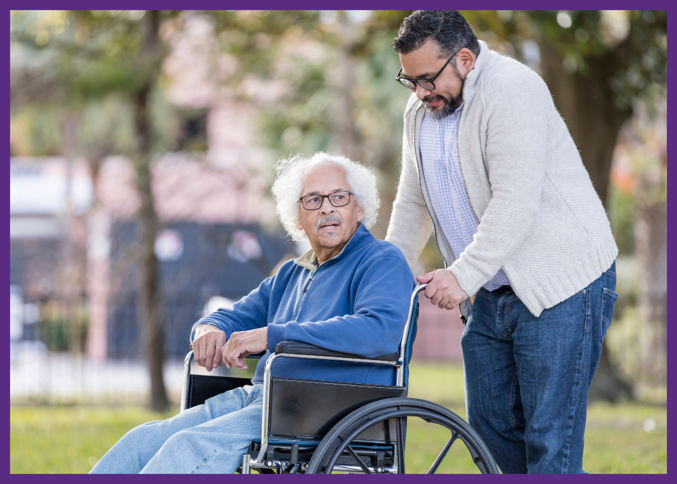
This self-imposed limit on physical activity can further lead to losses of strength and independence. These issues are especially a concern for elderly patients, but the quality of life for non-elderly patients who fall can suffer as well.
Hospital fall prevention programs.
Everyone who works in a healthcare facility wants to prevent falls as sincerely as patients themselves want to avoid falls. Therefore, hospitals develop fall prevention programs, and staff do their best to keep patients safe.
Staff wants to avoid falls.
Of course, nurses and aides care about the safety and wellbeing of their patients. Additionally, their concern about patients’ falling is reinforced by a fear of getting blamed or reprimanded if one of their patients falls under their supervision.
Financial incentives to prevent falls.

Patient death or serious injury associated with a fall while patients are being cared for in a healthcare setting is considered a “never event”. As such, the Centers for Medicare and Medicaid Services does not reimburse hospitals and other health care facilities for any additional costs associated with patient falls.
The good and bad news.
Clearly, falls lead to patient harm. But, on the other hand, hospital fall prevention programs can lead to patient harm as well.
The good news.
Research shows that about 1/3 of falls can be prevented. Many facilities have fall prevention programs which manage each patient’s risk factors for falling while optimizing the health care facilities’ physical design and environment.
The bad news.
Fall prevention programs limit patients’ mobility, which can unfortunately lead to health issues.
What’s the negative impact of fall prevention programs?


And to make sure patients stay put, bed alarms notify staff if a patient gets up without a staff member’s help. (Although one study found that these bed alarms had no significant impact on patient falls. Why? Overworked nurses cannot always get to the patient before he/she falls.)
Although it would be great if staff could help patients increase their physical activity, there isn’t enough staff to help patients get up throughout the day just for the benefit of physical activity.
Why is limited physical activity bad?

And staying in bed can increase the risk of blood clots, bed sores, and pneumonia.
Generally, hospital patients spend a lot of time in bed.
Limited activity is common in hospitals. Traditionally, patients enter the hospital, get in bed, and rarely get up until it’s time to leave. One study found that patients spent, on average, 83% of their hospital stay in bed. (This study evaluated patients 65+ (without dementia or delirium) who were able to walk in the 2 weeks before their hospital admission.)
Some patients choose to stay in bed.
Some patients prefer to stay in bed, even if the doctor or nurse encourage them to get up and walk a bit. Dr. Cynthia J. Brown identified common reasons older patients choose to stay in bed:
- Too much pain, fatigue or weakness.
- IV lines and/or catheters that make it more difficult to walk.
- Not enough staff to help them.
- Feeling like they’re burdening nurses if they ask for help.
- Embarrassment from walking the hallway in flimsy gowns with messy hair.
Just a little bit of walking can make a difference.
Research shows that even a little bit of walking benefits patients – older hospital patients who walk 275 steps each day have lower rates of readmission within 30 days of discharge.
Hospital programs can encourage movement.
Because the benefits of physical activity is clear, more and more hospitals across the country encourage patients to get out of bed and move. But, barriers such as a shortage of staff and a lack of walking equipment can make it hard for these programs to flourish.
What can you do?

In fact, recent research found that a partnership between patients and their care team helps prevent falls and fall-related injuries. And although physical activity is important, patients should never walk alone without medical team approval.
For information on why patients fall, read my blog post: Why do Patients Fall in Hospitals?
Learn more…
All hospital stays involve risk. Read these blog posts to reduce your risk of problems:
- Germs in Hospitals and Doctor Offices – Watch Out!
- Why is Sepsis so Dangerous?
- How do you Get C. Diff Infections?
- The Dangers of Missed Bedside Alarms.
- Handwashing in Healthcare Could Save Your Life!
- The Benefits of Participating in Hospital Rounds.
- Medication Errors in Hospitals – How Can You Protect Yourself?
- Tips for Hospital Discharges.
- What You Need to Know About Pressure Sores.
- What’s Your Hospital’s Safety Record? Is Your Hospital Safe?

NOTE: I updated this post on 12-20-20.