


It’s important to note that this post refers to retail chain pharmacies, such as CVS and Walgreens. The situation at independent pharmacies is likely much better, with less corporate pressures and metrics.
Additionally, this post is not about pharmacies in inpatient facilities, such as hospitals and long-term care facilities. For information on medication errors in inpatient facilities, read the blogs listed at the end of this post.
What kinds of mistakes happen at a pharmacy?
Mistakes at a pharmacy include putting the wrong medication in the prescription container (wrong medication, right label) and dispensing the correct medication but at the wrong dosage. And pharmacists can give a patient a medication intended for another patient (right medication, right label, wrong patient).

Patient harm from wrong medications.


An article in the Los Angeles Times shares a few examples of potential harm caused by pharmacy errors:
- One patient took prednisone, a powerful steroid, for 89 days after a Walgreens pharmacist confused the drug with Prilosec, the heartburn drug the patient was supposed to receive. Importantly, research shows that prednisone can decrease bone density within weeks of starting the drug, increasing the risk of fractures.
- A pregnant patient fell after taking two medications she picked up at a CVS that were supposed to be given to another customer.
- At a Rite Aid, a pharmacist mistakenly typed the wrong instructions on a prescription for anastrozole, a hormonal treatment for breast cancer, instructing the patient to take 1/2 a tablet twice a day rather than twice a week as the doctor had prescribed. The patient followed the erroneous instructions for several days, suffering “adverse effects.”
Moreover, the Los Angeles Times article reports that more than 10% of malpractice claims filed against pharmacists involved injuries that led to death. Interestingly, the leading cause of deaths was overdose from either of these pharmacy mistakes:
- Patients receiving the wrong medication strength (for example, getting 50 mg instead of 25 mg).
- Patients following instructions that mistakenly increased the amount of medication taken (for example, the instructions say to take a pill twice a day instead of twice a week).
How often do retail pharmacists make mistakes?
Unfortunately, it’s impossible to know the number and severity of mistakes. For starters, many mistakes go unrecognized. Additionally, reporting requirements are lax. Finally, many mistakes are hidden when victims or their families sign confidentiality agreements after settling with the pharmacies.
However, it’s important to realize these mistakes are widespread. Alarmingly, the California Board of Pharmacy estimates pharmacists make 5 million errors every year – just in California! Importantly, the Board reports that this number is only an estimate because pharmacies are not legally required to report errors.
Instead the California board only requires pharmacies to document errors internally, tell patients about mistakes in certain cases, and learn how to prevent mistakes from recurring. Scarily, in a California Board of Pharmacy survey, only 62% of chain pharmacists said stores were following those rules.
What’s going on in US retail chain pharmacies that leads to mistakes at pharmacies?
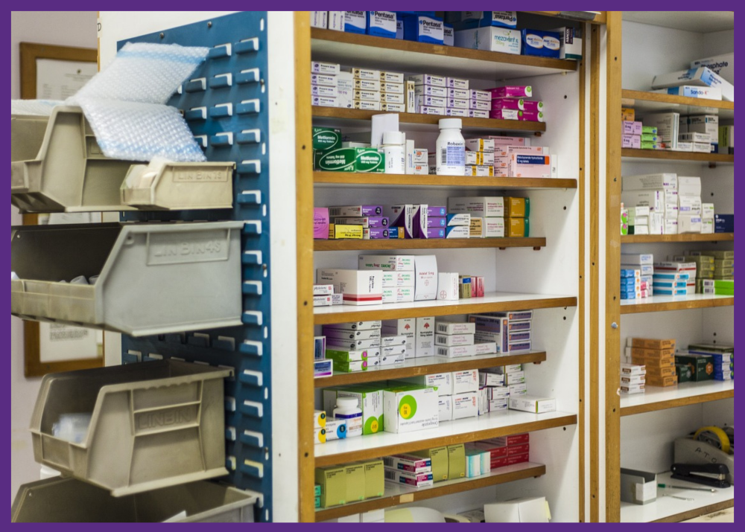
The results should concern us all. Many pharmacists at large national chains worry about their ability to properly fill prescriptions due to working in understaffed, chaotic pharmacies.
Importantly, in a California Board of Pharmacy survey of licensed pharmacists in California, 91% of chain pharmacists reported staffing wasn’t high enough to provide patients adequate care.
Why? There is too much work to accomplish and not enough staff.
While you might envision pharmacists focusing all of their energies on counting pills and putting them in bottles, their jobs actually involve a myriad of tasks. In addition to filling prescriptions, pharmacists must also give vaccines, answer phones, work the register, handle drive-through customers, and counsel patients.
Additionally, they must speak with doctors and insurance companies. And the hours can be grueling. Pharmacists often work long days, sometimes 13 hours. And they often work non-stop, without any breaks to eat or use the bathroom.
What do pharmacists say about their work environment?


“We are being asked to do things that we know at a gut level are dangerous.”
“The amount of busywork we must do while verifying prescriptions is absolutely dangerous. Mistakes are going to be made and the patients are going to be the ones suffering.”
“My fellow pharmacists and pharmacy technicians at our breaking point. Chain pharmacies are preventing us from taking care of our patients and putting them at risk of dangerous medication errors.”
The pressure of metrics.

According to The New York Times article, chain pharmacies track and scrutinize nearly everything, including time taken to fill prescriptions, phone calls to patients, the number of immunizations given, and the number of customers signing up for 90-day supplies of medication.
In a pharmacist survey conducted by the Missouri state board, dozens of pharmacists said the focus on metrics threatened patient safety and their own job security. One wrote: “Metrics put unnecessary pressure on pharmacy staff to fill prescriptions as fast as possible, resulting in errors.”
Pressured to sell.

For instance, chains pressure pharmacists to call doctors to refill prescriptions for patients who never even asked for refills. Of course, this also wastes valuable doctor and staff time.
And, the chain pharmacies pressure pharmacists to ask patients to switch to 90-day prescriptions and to sign up for automatic refills.
Good news from Walgreens!
In October, 2022, Walgreens announced they will no longer evaluate their pharmacy employees based on their work speed and other metrics. This positive change comes amid complaints from pharmacists across the industry that pressure to meet targets, like filling a certain number of prescriptions each day/hour, is leading to dangerous mistakes and staff burnout.
Clearly, this is great news! Will other pharmacies follow suit? Only time will tell, but hopefully this is the beginning of industry-wide improvements.
What are the state regulatory boards doing about mistakes at the pharmacy?

And sometimes the fox is guarding the hen house, as some state boards’ membership include representatives from national chain pharmacies.
Finally, most state boards do not require pharmacies to report errors, nor do they conduct thorough investigations when they learn of errors. And if they do investigate errors, they focus on the pharmacist, not the workplace conditions.
Chain pharmacies make it hard to seek recourse from errors.
Do you know what you’re agreeing to when you check the box as you’re picking up your prescriptions? It turns out the big pharmacy companies often ask consumers to sign agreements stating they will not take any dispute to court but will instead seek recourse through private arbitration panels. For instance, according to the Los Angeles Times, signing the CVS agreement waives your right to a trial by jury.
What can you do to reduce your risk of mistakes at the pharmacy?

Switch pharmacies.
Consider switching to a small, independent pharmacy. Not only do they not have corporate metrics and pressure, you will likely develop a relationship with the pharmacist which can benefit your health.
However, before you switch, check with your insurance to learn about coverage.
Considerations for getting a new medication.
- Ask the doctor for detailed instructions on why, how and when to take each medication.
- Write down the exact name (ask the doctor for the correct spelling), dosage and instructions. And don’t forget to bring this information to the pharmacy.
Considerations for picking up medications at the pharmacy.
- Make sure you get the correct medication before you pay. Check the label to see if the name and dosage match what you wrote down at the doctor’s office.
- If you get a refill on a medication and notice the color, size and/or shape has changed, talk to the pharmacist to make sure you have the right drug.
- Don’t be afraid to speak up! If something doesn’t seem right, or you are given a medication that you didn’t expect, say something to the pharmacist.
Learn more…
Because medications can cause serious harm, read these blog posts to learn more:
- Reduce Your Risk of Medication Errors.
- What’s an Adverse Drug Reaction?
- Dangers of Black-Market Medications – More Common Than you Think.
- Tips to Take Medication as Prescribed.
- Are Antibiotics Helpful or Harmful? What You Need to Know.
- Doctors Prescribe Too Many Medications.
- Are Medications Safe?
- Is Off-Label Medication Safe?
- How to Save Money on Prescription Medications.

NOTE: I updated this post on 3-11-24.