

 Why are second opinions important? They can reduce your risk of misdiagnosis and help you get the best care and outcome possible. Let’s face it – it’s overwhelming and scary to be diagnosed with a serious illness.
But what if your doctor is wrong? What if he/she determines you have one condition when you actually have another? Or perhaps your doctor tells you there is nothing wrong with you, but that’s not true. Furthermore, what if your doctor’s recommendations for treatment are based on a faulty diagnosis?
Why are second opinions important?
Diagnostic errors can be devastating – physically, emotionally and financially. Getting other opinions can help you get an accurate, timely diagnosis and can help you receive the best treatment possible. A second, or even third opinion, can confirm a previous diagnosis or reveal alternative diagnostic and/or treatment options.
Since medicine is part art and part science, it’s helpful to have more than one mind evaluating your case. Remember – doctors and other health professionals are humans who make mistakes like any other human.
How do diagnostic errors impact patients?
When doctors make an inaccurate diagnosis, patients may receive treatment for a disease they don’t have, which can cause physical, emotional and financial damage. Conversely, when doctors miss a diagnosis, patients may not receive much needed treatments, or may experience significant delays in treatment, which can negatively impact their chances for recovery.
How common is misdiagnosis?
Misdiagnosis, which includes a delayed or missed diagnosis or an inaccurate diagnosis, occurs between 10-20% of the time. Additionally, studies show:
- About 12 million people are misdiagnosed each year in the US.
- Approximately 50% of doctors encounter diagnostic errors at least monthly.
- Major diagnostic discrepancies in 10–20% of cases reviewed by autopsy studies.
What are some of the causes of misdiagnoses?
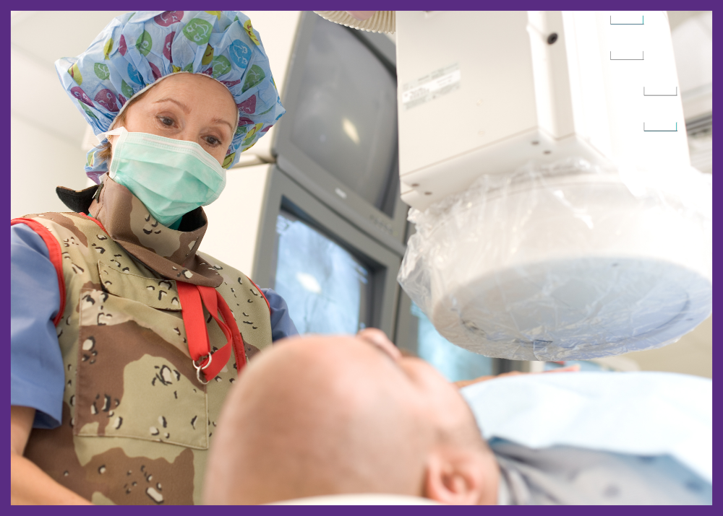 There are many factors that contribute to misdiagnoses, but they all revolve around human nature. Some examples of things that can go wrong:
- Doctors must use their knowledge and instinct to create a list of potential diagnoses, which can then be further evaluated. If your doctor misses something, or you have something rare, your doctor may not be looking for the “right thing”.
- Doctors may start down a wrong diagnostic path by focusing on one particular symptom, without taking the time to hear the patient’s entire story. For instance, if you didn’t get a chance to mention a vacation in a tick-infested region, your doctor may not think of Lyme disease as a possible diagnosis.
- Doctors can miss test results: almost 1/3 of doctors reported they missed alerts for test results that led to delays in patient care.
- Radiologist miss or misinterpret findings between 2-25% of the time, which can lead to misdiagnoses.
- Lab tests influence 60-70% of medical decisions, yet labs tests can be wrong. Errors can occur in running or interpreting a test. However, a large risk comes from laboratory developed tests (LDTs) which are not overseen by the U.S Food and Drug Administration. LDTs are made and run within a single laboratory, often without any oversight. Importantly, this may change since in October 2023, the FDA issued a notice of proposed rulemaking to put LDTs under the same enforcement approach as other tests. Hopefully, this proposal will pass.
How do second opinions impact diagnostic errors?
Researchers at the Mayo Clinic reviewed the records of 286 patients who were referred to the Clinic for a second opinion. The researchers compared each patient’s first diagnosis (made by the referring clinician) to their final diagnosis (made by a Mayo Clinic staff member). The researchers found:
- In only 12% of patients, the final diagnosis confirmed the first diagnosis.
- In 21% of the cases, the diagnosis was completely different.
- 66% of patients received either a “refined” or “redefined” diagnosis.
Additionally, a study at The Clinic by Cleveland Clinic evaluated records for patients who sought second opinions for life-altering diagnoses, such as cancer. The study found:
- 28% of patients received a change in diagnosis.
- 72% of treatment plans were modified after expert analysis.
Lastly, researchers examined the records of almost 7,000 patients who sought second opinions through Best Doctors, Inc. The researchers found:
- In 15% of patients, the second opinion led to a change in diagnosis.
- For 37% of patients, the second opinion led to a change in treatment.
- For 11% of patients, the second opinion led to changes in both diagnosis and treatment.
Who should get second opinions?
 There are many reasons for a second, or even third, opinion. This list, by US News & World Report , provides reasons you should get a second opinion, including if you:
- Receive a life-changing or life-threatening diagnosis.
- Have a rare condition.
- Are on a treatment that isn’t working or is causing bad side effects.
- Get a recommendation for major surgery with potential debilitating complications.
- Receive a cancer diagnosis.
- Want a surgeon who has performed a specific surgery often, with good outcomes.
- Disagree with your diagnosis or treatment plan.
- Want to explore the most up-to-date, evidence-based treatment options.
- Have a symptom that could be caused by a variety of physical or mental health conditions.
- Want to confirm that your diagnosis is correct.
- No longer have confidence in your doctor, or if the communication between you and your doctor is poor.
Additionally, I recommend you also consider a second opinion if:
- Your doctor dismisses your symptoms.
- You feel something is wrong, but your doctor can’t figure out the cause(s).
Of course, you may find yourself in an emergency situation for which you have no time for a 2nd opinion.
What about a 3rd opinion?
It’s possible that the 2nd opinion will differ significantly from your initial diagnosis and/or treatment recommendations. In this situation, a 3rd opinion can help you determine which course of action to follow.
At what point should you get another opinion?
A 2nd, or even 3rd, opinion is important at the time of initial diagnosis. However, that’s not the only time you can benefit from getting another opinion. Further opinions can also be beneficial as treatment progresses or if you think something doesn’t seem right.
You’re not insulting your doctor.
Do not feel like you might ruin your relationship with your doctor. Most doctors expect you to get another opinion when dealing with a serious illness. And if your doctor is annoyed by this, it’s probably time to look for a new doctor.
For more information, read my blog post When Is It Time To Change Doctors?
How can you find a doctor for a 2nd opinion?
 I recommend you try to get an appointment with a doctor who works at a different hospital than the doctor who provided your initial diagnosis. Although most doctors offer honest, unbiased opinions, you don’t want an opinion swayed by feelings of obligation or friendship.
To find a new doctor, ask trusted family, friends, and co-workers if they know someone in the specialty you need. You can even ask the doctor who provided your first diagnosis.
Additionally, you can connect online with others who have similar diagnoses and ask them for recommendations. Look for Facebook groups and other online groups.
And, you can often find lists of doctors recommended by disease-specific health organizations, support groups and activist groups.
If you live in a rural area with limited options, consider traveling to a teaching hospital for your second opinion. However, traveling requires time and money, so a virtual second opinion might be your best option.
Consider a virtual second opinion.
If you can’t travel to another hospital/doctor, or if an appointment with the local specialist will require a wait of weeks or months, a virtual second opinion (VSO) is a good option. VSOs provide access to top specialists in the country that can help you with your diagnosis and treatment options. Additionally, many of them gather all your records for you, saving you from the hassle of getting your records from each of your providers.
VSO programs, with advanced levels of expertise, are available at many top academic medical centers, including:
- The Clinic at Cleveland Clinic
- Dana-Farber Cancer Institute
- Duke Health
- Mayo Clinic
- Stanford Health Care
- UChicago Medicine
Note that VSO services are not free, and many programs don’t accept insurance. So look into costs before you start to avoid surprises.
Also, some employers provide second opinion services as part of their benefits offering – ask your Human Resources contact.
Who pays for second opinions?
Generally speaking, private insurers as well as Medicare/Medicaid pay for second opinions. But, before you book your appointment, check with your insurance company about coverage for your new doctor to avoid surprise bills.
How should you prepare for a 2nd opinion?
Gather all of your records and bring them with you to the new doctor. This includes your initial doctor’s appointment notes, test results, copies of x-rays and scans, and any other documentation you have. And of course, prepare a list of questions and concerns.
Learn more….
For more information on getting the most out of any medical appointment, read these blog posts:
- 10 Steps to Reduce Your Risk of Diagnostic Error
- Personal Stories of Diagnostic Errors.
- 10 Tips for a Better Medical Appointment.
- The Dangers of Too Many Medical Tests and Treatments.
- Should You Record Medical Appointments?
- How Can You Get the Best Healthcare? Actively Participate!

NOTE: I updated this post on 1-25-24.

Leave a Reply